Edge Computing Explained: What It Is and Why It Matters in 2026

Sunil Kumar
Founder & Editor, Locitra
Learn what edge computing is, how it works, its benefits, real-world applications, and why it is becoming essential for IoT, AI, and 5G technologies.
Introduction
We live in an era where data is generated at an astonishing rate. From smartphones and smartwatches to autonomous cars and industrial sensors, billions of devices are constantly collecting information. For the past decade, the standard approach has been to send all this data to massive, centralized data centers—often located thousands of miles away—for processing.
But as the amount of data explodes and the need for instant responses grows, this centralized model is beginning to show its limitations. Enter edge computing. By moving the processing power closer to where the data is actually created, edge computing is fundamentally reshaping the architecture of the internet.
Understanding edge computing is crucial because it acts as the unseen foundation for many of the Top Technology Trends we see today. In this comprehensive guide, we will break down what edge computing is, how it functions, and why it is becoming an indispensable part of our digital future.
What Is Edge Computing?
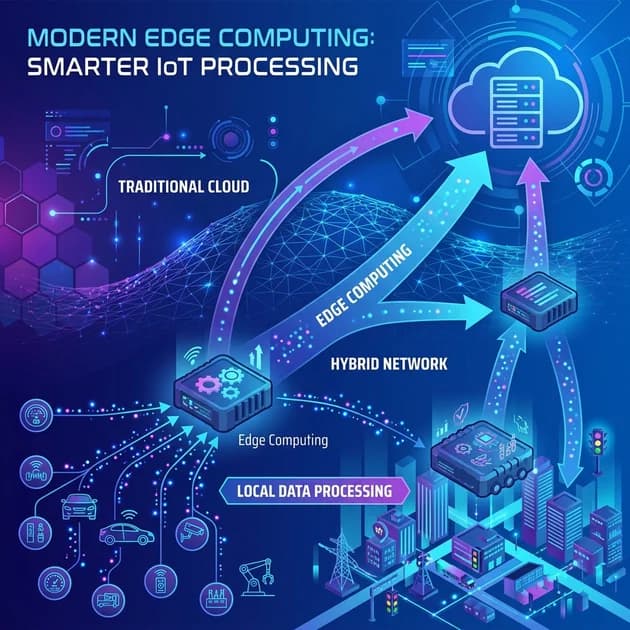
Edge computing is a distributed computing framework that brings enterprise applications and data storage closer to the data source (the "edge" of the network).
Instead of sending raw data across the internet to a central data center or the cloud, the data is processed locally—either directly on the device that collected it (like a smartphone or a smart camera) or on a nearby local server.
To understand this concept, think about how the human body works. When you touch a hot stove, your hand pulls away instantly. Your nervous system doesn't send a message all the way up to your brain to ask what to do; instead, a local reflex arc in your spinal cord processes the information and triggers an immediate reaction. The brain is only notified after the fact. Edge computing works the exact same way for digital devices. It provides the quick "reflex" processing at the edge, while the heavy, long-term thinking is left to the centralized cloud.
How Edge Computing Works
Edge technology represents a major shift from centralized network structures to distributed architectures. The lifecycle of data in an edge computing environment generally follows three main steps:
Data Collection
The process begins at the very edge of the network, where data is generated. This is typically done by sensors, smart devices, factory machines, or mobile phones. For example, a security camera on a smart doorbell continuously captures video footage of your front porch.
Local Processing
Instead of transmitting that entire video feed to a distant server, an edge processor built directly into the camera (or a small server located in the user's home) analyzes the data instantly. The local processor uses computer vision algorithms to determine if the movement is a passing car, a stray cat, or a person approaching the door.
Cloud Integration
Only after the local processing is complete is the cloud involved. If the camera detects a person, it sends a tiny packet of data (an alert and a short video clip) to the cloud, which then notifies your smartphone. The raw, continuous video footage of an empty porch is discarded locally, saving massive amounts of bandwidth. The cloud is still used for long-term storage, aggregating data from millions of devices, and training more advanced machine learning models.
Edge Computing vs Cloud Computing
When discussing edge technology, it is impossible to avoid comparisons with the cloud. However, it is essential to understand that edge computing is not intended to replace Cloud Computing; rather, the two complement each other perfectly.
Key Differences
| Feature | Cloud Computing | Edge Computing |
|---|---|---|
| Location | Centralized in massive, remote data centers. | Decentralized, located at or near the data source. |
| Latency (Delay) | Higher, due to the physical distance data must travel. | Extremely low, as data is processed locally. |
| Bandwidth Usage | High, because all raw data must be transmitted. | Low, because only processed or essential data is transmitted. |
| Processing Power | Virtually unlimited, ideal for massive datasets. | Limited by the physical hardware of the local device. |
| Security Risk | Centralized risk (a single breach affects millions). | Distributed risk (must secure many individual endpoints). |
When to Use Edge Computing
Edge computing excels in scenarios where split-second decision-making is critical. If a delay of even a few milliseconds could cause a catastrophic failure—such as in an autonomous vehicle navigating traffic or a robotic arm performing surgery—edge processing is mandatory. It is also highly beneficial in remote locations (like offshore oil rigs) where internet connectivity to the cloud is unreliable or non-existent.
When Cloud Computing Is Better
Cloud computing remains the superior choice for tasks that require massive computational power or extensive data storage but do not require immediate, real-time responses. For example, running complex data analytics across years of historical sales data, training massive artificial intelligence models, or hosting a global streaming service like Netflix are tasks perfectly suited for the cloud.
Benefits of Edge Computing
The shift toward edge technology is driven by several distinct advantages that solve the inherent limitations of centralized cloud processing.
Faster Processing
By eliminating the round-trip journey data must take to the cloud and back, edge computing provides near-instantaneous processing. This speed is what makes real-time, interactive applications possible.
Reduced Latency
Latency is the delay between a user's action and the digital response. In competitive online gaming, high-frequency stock trading, or virtual reality environments, even a few milliseconds of latency can ruin the experience or result in massive financial losses. Edge technology slashes latency to the absolute minimum.
Better Reliability
Because edge devices can process data locally, they can continue to function even if the internet connection to the main cloud server goes down. A smart factory using edge computing won't have to shut down its entire assembly line just because there is a temporary network outage.
Lower Bandwidth Usage
Transmitting high-resolution video or continuous sensor data to the cloud 24/7 is incredibly expensive and puts a massive strain on network infrastructure. By filtering and processing data locally, edge devices only transmit the most important insights, drastically reducing bandwidth costs.
Real-World Applications of Edge Computing
Edge technology is no longer just a theoretical concept; it is actively being deployed across a wide variety of industries.
Smart Cities
Municipalities are leveraging edge computing to improve urban life. Smart traffic lights equipped with edge processors analyze real-time video feeds of intersections to optimize the flow of traffic and reduce congestion, rather than waiting for a central server to dictate timing patterns.
Autonomous Vehicles
Self-driving cars are perhaps the most famous example of edge computing. An autonomous vehicle generates terabytes of data every hour from its cameras, radar, and LIDAR sensors. It must make life-or-death decisions in a fraction of a second. It cannot wait for a cloud server to tell it to hit the brakes if a pedestrian steps into the road; all processing must happen on the "edge"—which, in this case, is the car's onboard computer.
Healthcare
In hospitals, edge computing is used to monitor patients in real-time. Wearable devices can analyze heart rates and blood pressure locally, instantly alerting nurses to a critical drop rather than waiting for cloud software to process the anomaly.
Manufacturing
Industrial factories use edge computing to monitor the health of heavy machinery. Sensors analyze vibrations and temperature locally, predicting equipment failures before they happen and shutting down machinery instantly to prevent damage or injury.
Retail
Retailers use edge computing for intelligent inventory management. Smart shelves with weight sensors and cameras can instantly detect when stock is low or an item is misplaced, alerting staff immediately without needing to constantly ping a central database.
Edge Computing and IoT
If you want to fully understand the impact of edge technology, you must understand What Is the Internet of Things (IoT).
IoT is the network of physical devices collecting data, while edge computing is the architecture that processes that data efficiently. As the number of IoT devices continues to explode, sending all their data to the cloud simply isn't sustainable. Edge computing acts as the pressure valve for the IoT ecosystem, ensuring that these smart devices remain fast, efficient, and responsive.
Edge Computing and Artificial Intelligence
Artificial Intelligence and edge computing are converging into a powerful concept known as "Edge AI."
Historically, AI models were so massive that they could only run on powerful cloud servers. Today, hardware has become small and powerful enough to run localized AI algorithms directly on edge devices. This allows a smartphone to perform facial recognition or a security camera to identify a suspicious package locally. The heavy lifting of training these AI models—such as the massive language models discussed in our ChatGPT vs Gemini comparison—still happens in the cloud. However, the execution of these models (called inference) is increasingly moving to the edge.
Edge Computing and 5G Networks
The rollout of 5G cellular networks is the catalyst that is propelling edge computing into the mainstream. 5G offers massive bandwidth and incredibly low latency, providing the perfect wireless pipeline for edge devices to communicate with each other and with nearby edge servers. Together, 5G and edge computing enable technologies that require both mobility and instant processing, such as augmented reality (AR) and autonomous drone deliveries.
Challenges of Edge Computing
While the benefits are clear, transitioning to an edge architecture presents unique challenges that organizations must overcome.
The primary concern is security. In a traditional cloud environment, all data is locked in a highly secure, centralized data center. In an edge computing model, data is processed across thousands of distributed devices located in homes, offices, and public spaces. Each of these endpoints is a potential vulnerability. Securing a massive, distributed network requires a deep understanding of What Is Cybersecurity and demands that every single device is rigorously updated and monitored.
Additionally, maintaining and updating software across a sprawling network of physical edge devices is significantly more complex than updating a single, centralized cloud application.
Future of Edge Computing
As we look toward the latter half of the 2020s, edge computing will transition from a specialized technology into the standard architectural norm. We will see the continued miniaturization of hardware, allowing even smaller devices to possess significant processing power.
Furthermore, the lines between the "cloud" and the "edge" will continue to blur, creating a seamless continuum of computing power that automatically shifts workloads to wherever they can be processed most efficiently.
Frequently Asked Questions
What is the simplest definition of edge computing?
Edge computing is a technology that processes data near the source where it is generated (the "edge" of the network), rather than sending it all the way to a distant cloud server.
Does edge computing replace cloud computing?
No. Edge computing and cloud computing are highly complementary. Edge computing handles quick, real-time decisions, while cloud computing is used for long-term storage, deep analysis, and heavy computational lifting.
Why is edge computing important for autonomous cars?
An autonomous car must react to obstacles in milliseconds. It cannot afford the delay (latency) of sending data to a cloud server to ask if it should brake. Edge computing allows the car's onboard computers to process sensor data and react instantly.
Is edge computing secure?
It presents unique security challenges. While processing data locally can improve privacy (since sensitive data isn't transmitted over the internet), having thousands of physical edge devices creates more potential entry points for hackers, requiring robust, distributed security measures.
Final Thoughts
The sheer volume of data generated in our modern world has fundamentally outgrown the traditional, centralized cloud computing model. By distributing processing power out to the edges of the network, we are unlocking a new wave of technological capabilities.
From making our cities smarter and our roads safer to enabling instantaneous Artificial Intelligence, edge computing is the invisible infrastructure that is making the next generation of digital innovation possible. As IoT devices multiply and 5G networks expand, edge computing will only continue to grow in importance, solidifying its place as a cornerstone of modern digital architecture.
Related Articles
Weekly Intelligence
Stay Ahead of the Curve
AI tools, technology trends, digital income strategies and creator success stories — curated every week, always free.
No spam. Unsubscribe anytime.
Keep Reading
Related Articles
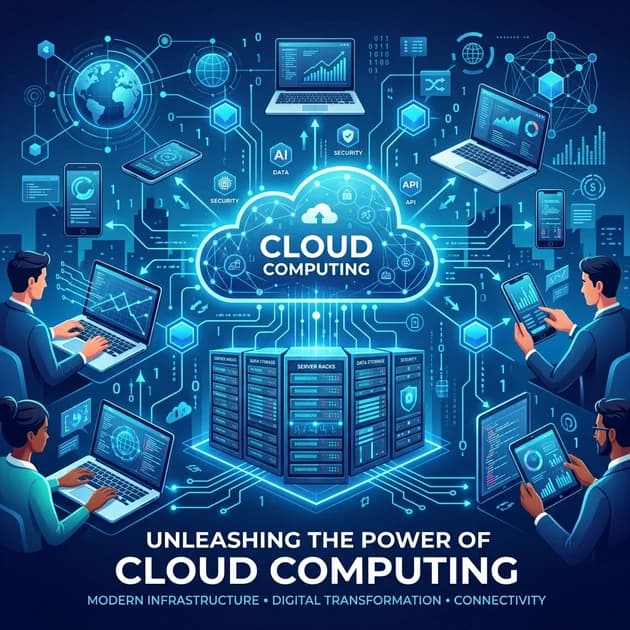
What Is Cloud Computing? A Beginner's Guide to How the Cloud Works (2026)
Learn what cloud computing is, how it works, its benefits, types, and real-world examples. A complete beginner-friendly guide for 2026.
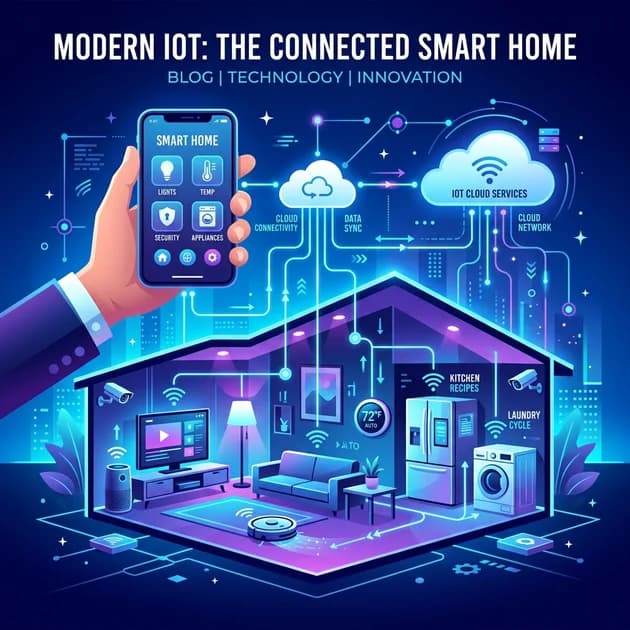
What Is the Internet of Things (IoT)? A Beginner's Guide (2026)
Learn what the Internet of Things (IoT) is, how it works, real-world examples, benefits, challenges, and why IoT is transforming modern life.
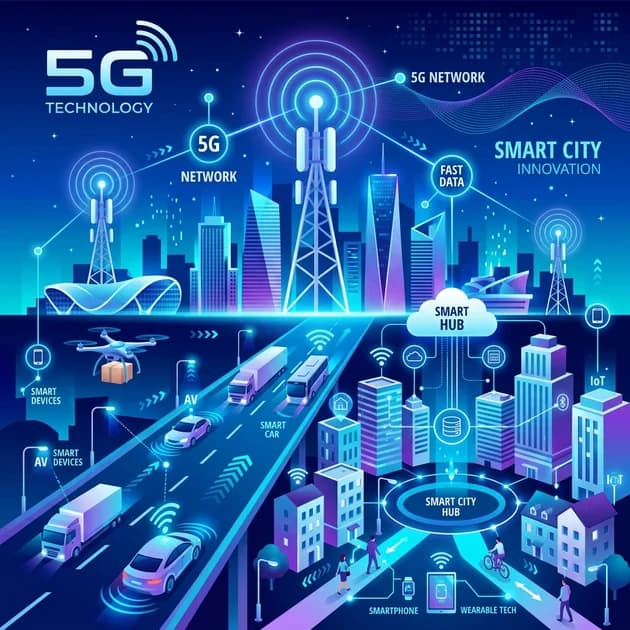
How 5G Technology Works and Why It Matters in 2026
Learn how 5G technology works, its benefits, real-world applications, and how it is transforming industries through faster connectivity, IoT, AI, and edge computing.